
Florida’s climate, soil conditions, and regulatory environment make it one of the most technically demanding pool markets in the country. Here’s what every installer needs to understand about why fiberglass is winning on the jobsite, and more importantly, how to make the most of it.
Florida’s Ground Is Working Against Concrete
Florida sits on a karst limestone substrate with a high, fluctuating water table and expansive sandy soils. This combination creates documented long-term problems for concrete pools: shell cracking, surface delamination, and hydrostatic pressure buildup when pools are drained for maintenance or inspection.
Fiberglass shells are engineered with a built-in flexibility advantage. The gel coat and fiberglass laminate system moves with minor soil shifts rather than fracturing. The Pool & Hot Tub Alliance (PHTA) has confirmed through structural testing that fiberglass shells maintain integrity under hydrostatic pressure conditions that routinely damage comparable concrete structures.
For installers, this matters beyond the initial job. Fewer structural callbacks means fewer return trips, fewer disputes, and a stronger reputation in a market where word-of-mouth drives most new business.
3-5
days shell delivery to water fill under normal conditions
~75%
less chemical treatment required vs. concrete over 10 years
50yr+
expected shell lifespan with proper installation and backfill
The Installation Sequence: What’s Actually Different
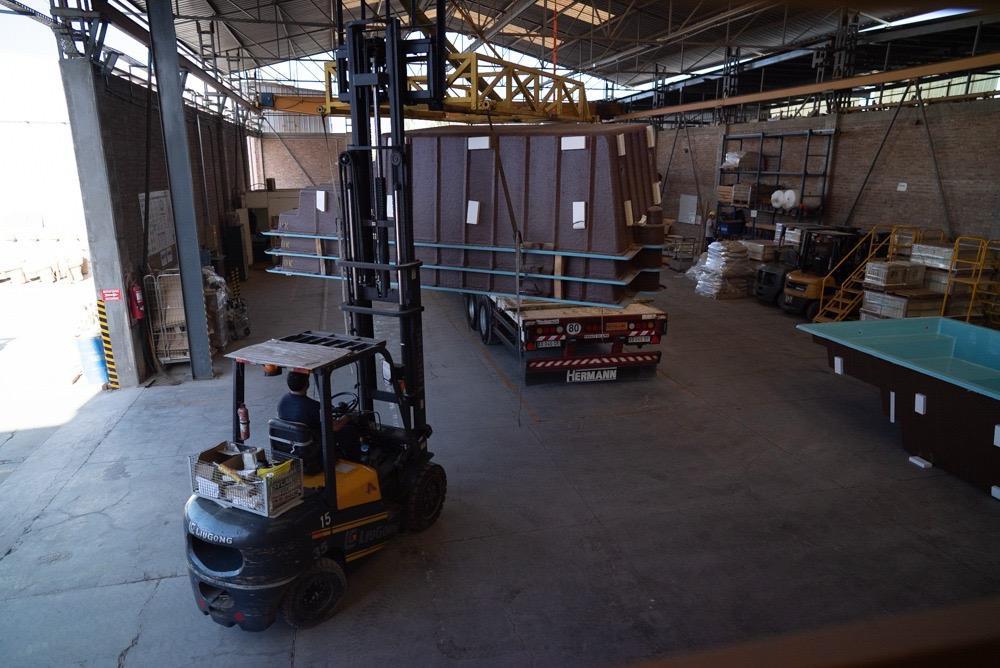
If you’re coming from a concrete background, excavation will feel familiar. The differences begin the moment the shell arrives on site. There’s no rebar cage, no wet concrete pour, no multi-week cure cycle. What you have instead is a precision placement job — and getting it right from the start is everything.
- 1.
Excavation
Dimensions are fixed by the shell, so precision is critical. Overcut carefully — you need uniform clearance around the entire shell for proper backfill compaction.
- 2.
Delivery & crane set
The shell arrives pre-manufactured. Crane placement typically takes 2–4 hours. Level checks at multiple points before backfill begins — this is the most important step.
- 3.
Plumbling connections
All plumbing is made after shell placement, connecting to pre-designated ports on the shell. No wet concrete to navigate around.
- 4.
Backfill
Use clean sand or pea gravel, compacted in uniform lifts of no more than 12 inches. Uneven or poorly compacted backfill is the leading cause of shell warping.
- 5.
Water fill
Begin filling immediately and simultaneously with backfill — this equalizes internal and external pressure. Never leave the shell empty once backfill starts.
- 6.
Decking & finish
Can begin within 24–48 hours of water fill, dramatically compressing the overall project timeline compared to concrete.
The biggest learning curve isn’t technical — it’s mental. Installers have to stop waiting for the concrete to cure. The pool is already done when the shell arrives.
The Florida Building Code: What Installers Must Know
Florida regulates residential pool construction under Chapter 41 (R4101) of the Florida Building Code, Residential. For fiberglass specifically, the FBC requires a hole inspection before backfill in many jurisdictions to verify the shell is seated correctly and meets manufacturer specifications. Skipping this step or rushing past it is one of the most common compliance issues inspectors flag.
Key FBC requirements that directly affect fiberglass installs include hydrostatic relief valve placement, suction inlet entrapment protection (ANSI/ASME A112.19.8M compliance), and proper bonding of all metallic pool components to the electrical system per Chapter 27. Variable-speed pumps are now required under Florida energy codes for pool pumps above certain horsepower thresholds — this affects every new installation and is increasingly a point of inspection failure for installers who aren’t current on equipment requirements.
Florida context
Florida’s high water table means hydrostatic pressure is a real, ongoing force on any in-ground shell. Fiberglass pools handle this better than concrete structurally, but the FBC still requires hydrostatic relief valves to be installed correctly. This is non-negotiable and one of the first things inspectors check on a fiberglass install in South and Central Florida.
What This Means for Your Installation Business
Installers who have shifted toward fiberglass consistently report the same two outcomes: faster project turnaround and stronger client satisfaction scores. The compressed timeline allows more installs per season, and the cleaner, more predictable process reduces the stress and variability that makes concrete builds difficult to scale.
- Faster project completion — more installs per year with the same crew size
- Fewer subcontractor dependencies — no plasterers, no tile setters, no rebar crews
- Lower callback rate — non-porous surface and flexible shell reduce post-install issues
- Smart system upsells — clean install environment makes automation integration easier and more profitable
- Stronger referrals — a faster, less disruptive install experience is something homeowners talk about
Sources & References
Leave a Reply