
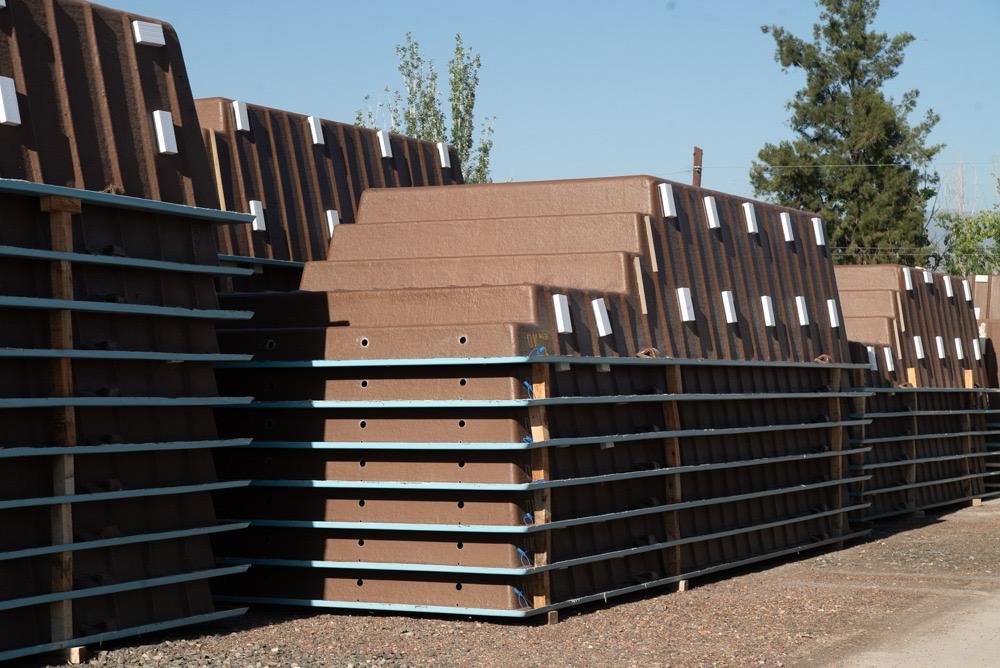
The pool industry is undergoing a structural shift. For contractors who build and manage pool projects, fiberglass isn’t just a material choice anymore: it’s a business model decision that directly affects your margins, timelines, and client satisfaction.
The Concrete Era Is Winding Down
For decades, concrete (gunite/shotcrete) pools were the default. They were customizable, familiar, and what clients expected. But the economics have shifted. Labor costs have risen sharply, and the complexity of a concrete build —which can stretch from three to six months— creates real financial exposure for contractors managing multiple projects.
The National Plasterers Council estimates that a typical concrete pool in Florida requires 30–60 days of active construction labor alone, not counting weather delays or inspection backlogs. Fiberglass shells, by contrast, can be installed and filled in as few as three to five days once the excavation is complete.
5-7
days average fiberglass install vs. 3-6 months for concrete
30-50%
reduction in on-site labor hours per project
2x
more projects per year possible with the same crew
Speed is the single biggest lever contractors have on profitability. Every week a crew sits on one job is a week they’re not starting the next one.
Margin Compression Is Real. Fiberglass Helps
The construction industry has been battling inflation across materials, subcontractors, and fuel costs since 2021. For pool contractors, the math is straightforward: fewer labor hours per project means a lower cost basis and more predictable job costing. Fiberglass pools eliminate several trades entirely — no plasterers, no tile setters, no multiple return trips for finishing work.
According to the Pool & Hot Tub Alliance (PHTA) 2024 State of the Industry Report, fiberglass pool sales grew to represent approximately 25% of new in-ground pool installations in the U.S., up from under 15% a decade ago — and the trajectory is continuing upward, particularly in the Southeast.
Florida context
Florida’s high water table and expansive soils create long-term durability challenges for concrete pools. Fiberglass shells flex slightly with soil movement rather than cracking, reducing warranty callbacks and post-installation disputes — a significant hidden cost reduction for contractors.
What This Means for Your Business Pipeline
Contractors who have integrated fiberglass into their offerings report two key outcomes: higher referral rates (because the experience is faster and less disruptive for homeowners) and increased project capacity. If your average concrete build takes 90 days, switching to fiberglass on qualifying jobs could let you double your annual project count with the same team size.
- Lower subcontractor dependency — fewer trades means fewer scheduling conflicts
- Predictable installation timeline strengthens client trust and reduces disputes
- Reduced warranty exposure — fiberglass surfaces don’t crack or delaminate the way plaster does
- Competitive differentiation in a market where speed and certainty are increasingly valued
Sources & References
Leave a Reply